TIT Travels Co Safari Booking

TIT Travels Co is a private travel agency and is not affiliated with the Forest Department or any government organization.

TIT Travels Co Safari Booking

TIT Travels Co is a private travel agency and is not affiliated with the Forest Department or any government organization.

Welcome to the Bandhavgarh National Park, a magnificence of the Tiger Reserve forest in India, where tiger sightings aren't a matter of luck, but almost a guarantee. Bandhavgarh boasts the highest density of Royal Bengal Tigers in India and the world, making it the ultimate destination for witnessing these magnificent predators in their natural glory. Here, an ancient saying holds true: "In any other park, you're lucky if you see a tiger. In Bandhavgarh, you're unlucky if you don't."

Nestled amidst the undulating Vindhya hills of Madhya Pradesh, this legendary reserve spans 1,536 square kilometers of pristine wilderness where history and nature intertwine magnificently. The majestic Bandhavgarh Fort, steeped in mythological significance from the Ramayana, stands sentinel over forests that once served as royal hunting grounds and birthed the world's famous white tigers—a legacy that traces back to these very forests.

From dense Sal forests and bamboo groves to sprawling meadows dotted with natural waterholes, Bandhavgarh's diverse landscape creates the perfect stage for unforgettable wildlife encounters. Apart from the Royal Bengal Tigers, the park proudly shelters leopards, sloth bears, gaurs, and over 250 bird species, offering a complete wildlife experience that few reserves can match.

Your journey into India's most rewarding tiger territory begins here. Book your Bandhavgarh safari today and step into a world where every moment holds the promise of witnessing nature's ultimate predator in action.

Come & explore the wild side in Bhandhavgarh National Park

Safari Booking
Safari Booking

Explore the wild side of Jim Corbett and get the opportunity to see animals in real life with gypsy, elephant, and canter safari.

Book Now
Hotel Booking
Hotel Booking

Stay in the best resorts and hotels close to Jim Corbett and make thrilling memories in budget.

Book Now
Tour Package Booking

Enjoy a great time in Bandhavgarh with stay, food and adventurous safaris - all included in package booking.

Book Now

What Makes Bandhavgarh National Park Truly Exceptional - Nature's Perfect Tiger Haven

Perched atop a hill approximately 2,624 feet above sea level, Bandhavgarh offers a spectacular natural amphitheater where geography and wildlife converge in extraordinary harmony. Spanning 1,536 square kilometers across the Umaria district of Madhya Pradesh, this remarkable reserve is cradled between the ancient Vindhya and Satpura mountain ranges, creating a landscape that is as dramatic as it is diverse.

The park showcases extremely uneven topography consisting of sharp-crested hills and narrow valleys, with the main Bandhavgarh hill surrounded by 32 smaller hillocks. The terrain varies between steep ridges, undulating forests, and open meadows dotted with grassy swamps and forested valleys. This varied topography creates distinct micro-habitats that support an incredibly concentrated wildlife population within a relatively compact area—making Bandhavgarh one of the few parks where every safari promises meaningful encounters.

The park's vegetation is equally impressive, featuring dense Sal forests that dominate the landscape, interspersed with mixed deciduous forests, bamboo thickets, and extensive grasslands. This botanical diversity supports over 37 mammal species and 250 bird species, creating a complete ecosystem where predators and prey thrive in natural balance. The presence of numerous natural streams and waterholes ensures year-round water availability, further enhancing wildlife concentration.

What truly sets Bandhavgarh apart is how its compact size and favorable terrain work together—allowing visitors to experience India's richest wildlife spectacle within accessible safari routes, all under the watchful gaze of the ancient fort that crowns this magnificent wilderness.

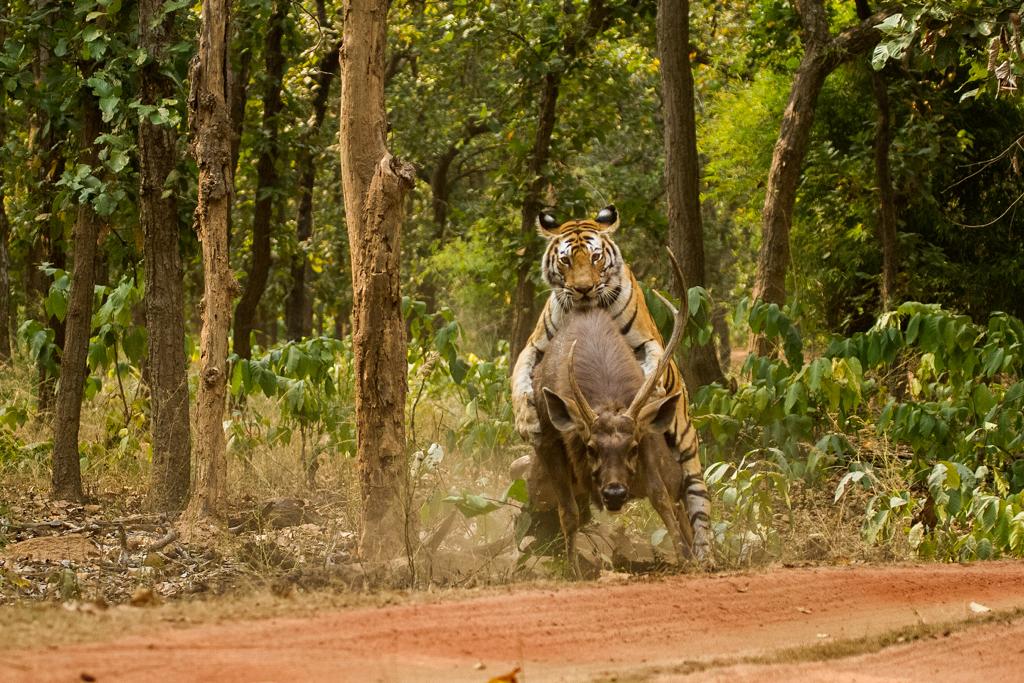
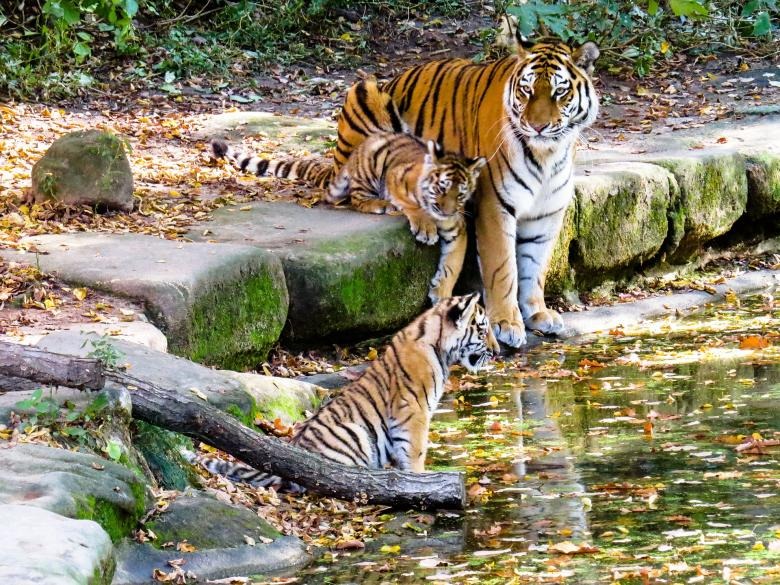
Tiger in Bhandhavgarh
Wildlife in Bhandhavgarh

Easiest Ways to Reach Bandhavgarh National Park

Even though being a forest reserve, the Bandhavgarh National Park can be easily reached by any means of transport, be it by air or by train or by road. The park is duly connected to the different cities of India. Here is the detailed guide to how to get here-

By Air

The nearest airport to Bandhavgarh is Jabalpur Airport (Dumna Airport), located approximately 160-200 km away, with regular flights from Delhi, Mumbai, Hyderabad, and other major Indian cities. The scenic 3.5 to 4-hour drive from Jabalpur offers comfortable road connectivity. Khajuraho Airport (260 km away) serves as an alternative option, perfect for combining your wildlife adventure with the famous temple town visit.

By Train

The closest railway station is Umaria (32-35 km away), well-connected to Delhi, Mumbai, Kolkata, and other major cities with just 45 minutes drive to the park. Alternatively, Katni Junction (100 km, 2.5 hours) is a major railway hub with excellent connectivity, while Jabalpur station offers another convenient option for travelers from various parts of India.

By Road

Bandhavgarh enjoys excellent road connectivity via well-maintained national and state highways. The park is easily accessible from Jabalpur (4 hours), Khajuraho (5-6 hours), and other nearby cities. State-run and private buses, along with taxi services, operate regularly from major cities. Self-drive options are popular, offering scenic routes through Madhya Pradesh's beautiful landscapes, making the journey as memorable as the destination itself.

NOTE: Bhandhavgarh National Park has many gates and zones, and one should choose the reaching option based on the safari zone or resort you choose.

Bhandhavgarh NATIONAL PARK – A LAND WHERE THE WILD ROARS

If you’re someone who’s curious to know what Bhandhavgarh is all about, then let me tell you that this park is truly a Wild World. It’s a forest which is located in the Chandrapur district of Maharashtra, one of the largest and most wildlife-rich states of India. It’s not just a forest, this park is home to powerful Bengal tigers, mysterious leopards, sloth bears, Indian gaurs, wild dogs, hyenas, sambar deer, spotted deer, and over 280 species of birds, along with a lot of reptiles.

This is a protected sanctuary made especially for animals to live freely. The park is a part of the Bhandhavgarh Andhari Tiger Reserve, which covers a huge area of 625.4 km², and within that, Bhandhavgarh National Park alone spreads over 116.55 km². One can see dense forests, open grasslands, beautiful lakes, and rivers like the “Andhari” which flows through this huge park. This sanctuary has been named after a local tribal god, “Taru,” who is worshipped by the locals, and “Andhari” comes from the river.

Tiger in Bhandhavgarh
Wildlife in Bhandhavgarh

Best Time to Visit Bandhavgarh National Park

Bandhavgarh National Park welcomes visitors from October 15th to June 30th annually, with the peak season lasting from November to February when climatic conditions are excellent. All the core zones of the park remains closed during the monsoon season (from July 01 to October 14) due to heavy rains and flooding.

Season Time Period Description
Summer March to June The best time to see tigers is April-May, as vegetation becomes dry and sparse and wildlife congregates at the few remaining waterholes to drink, though temperatures can reach mid-40°C. By April and May, as vegetation dries up and temperatures rise to 35-40°C, animals are more frequently seen near water bodies, offering some of the best wildlife sightings. Wildlife photographers prefer this season despite the intense heat, as dried vegetation provides clearer sightlines for capturing tiger images.
Monsoon July to September Bandhavgarh receives heavy rainfall during monsoon with around 434mm in peak rainy season, often resulting in waterlogging at various places, making navigation extremely difficult. The park's core zones remain completely closed to tourists during this period to allow forest regeneration and wildlife breeding. However, some buffer zones may remain accessible depending on weather conditions and forest department regulations, offering limited wildlife viewing opportunities for those willing to brave humid conditions and minimal sightings.
Winter November to February Most visitors arrive between November and March when the landscape remains green, birdlife is amazing, and temperatures hover in the mid-20°C, though mornings in December and January can be quite cold. Following monsoon rains, the forest comes alive with vibrant greenery, creating a breathtaking landscape, and this period coincides with the tigers' mating season. Excellent for birdwatching with migratory species present, comfortable safari conditions, and lush vegetation make winter the most popular season.
Note: The core zones of Bhandhavgarh National Park are shut during the monsoon season from 1st July to 15th October because of the heavy rainfalls and muddy areas. However, some buffer areas might remain open for gypsy safari in Bhandhavgarh.

A Biodiversity Treasure Trove - Flora & Fauna of Bandhavgarh National Park

History
Flora of Bandhavgarh National Park

Bandhavgarh's landscape is enriched with towering Sal trees, sturdy bamboo groves, and valuable medicinal plants like Amla, Arjun, and Bahera that add to the park's scenic beauty while playing vital roles in sustaining its vibrant ecosystem. The park boasts 50 aquatic plant species, 600 flowering plant species and 18 plant species apart from several trees, shrubs and herbs that offer nutrition to birds and other herbivores.

The vegetation is classified into moist peninsular low-level Sal forests, West Gangetic moist-mixed deciduous forests, and Southern tropical moist deciduous forests. Sal and bamboo dominate the valleys and lower slopes, while mixed forests characterize the upper hill areas due to varying soil characteristics.

Major Flora of Bandhavgarh includes- Sal, Saj, Mahua, Haldu, Dhaora, Tendu, Baheda, Arjun, Amla, Palas, Salai, Bhirra, Gamar, Dhaman, and bamboo that form the park's diverse botanical foundation. The fertile lands support fruit trees like Mango, Jamun, Stone apple, and Ber that attract numerous bird and mammal species. Flowering trees include Palash (Flame of the Forest), Amaltas, and Kapok that transform the forest with vibrant colors during spring. The Mahua plant holds cultural significance as local villagers use its flowers for traditional brewing, while its seeds provide edible oil. The park also harbors rare insectivorous plants like Drosera, found in the Tala zone.

Fauna of Bandhavgarh National Park

Over 47 kinds of mammals, more than 250 species of birds, more than 100 species of butterflies and 16 kinds of snakes testify that Bandhavgarh's rich habitat diversity supports a wide range of animal communities. Apart from the Tiger who is at the top of the food chain, more than 37 species of mammals and 250 species of birds along with 70 butterflies species and a large number of reptiles and amphibians lives in the forest of Bandhavgarh.

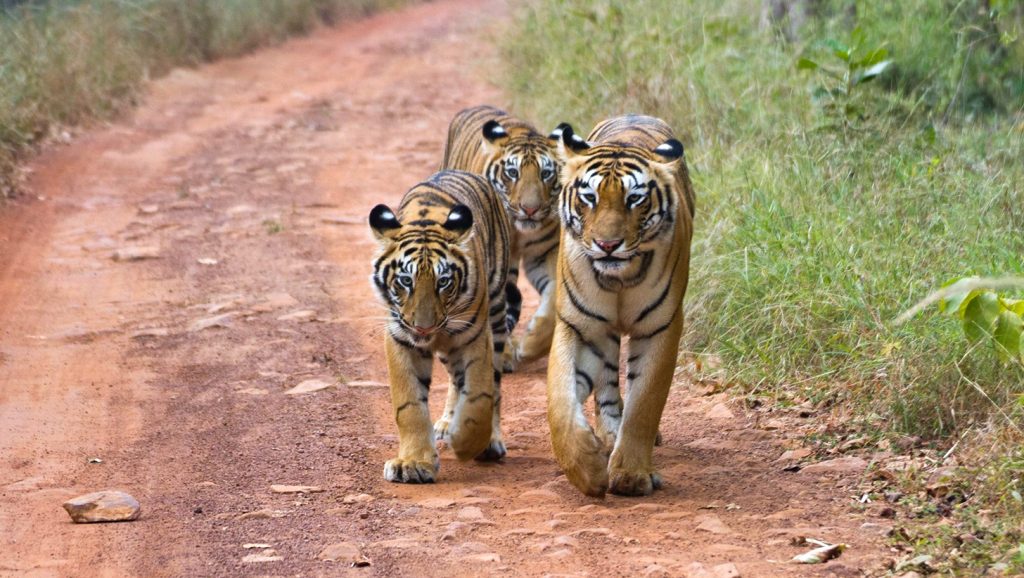
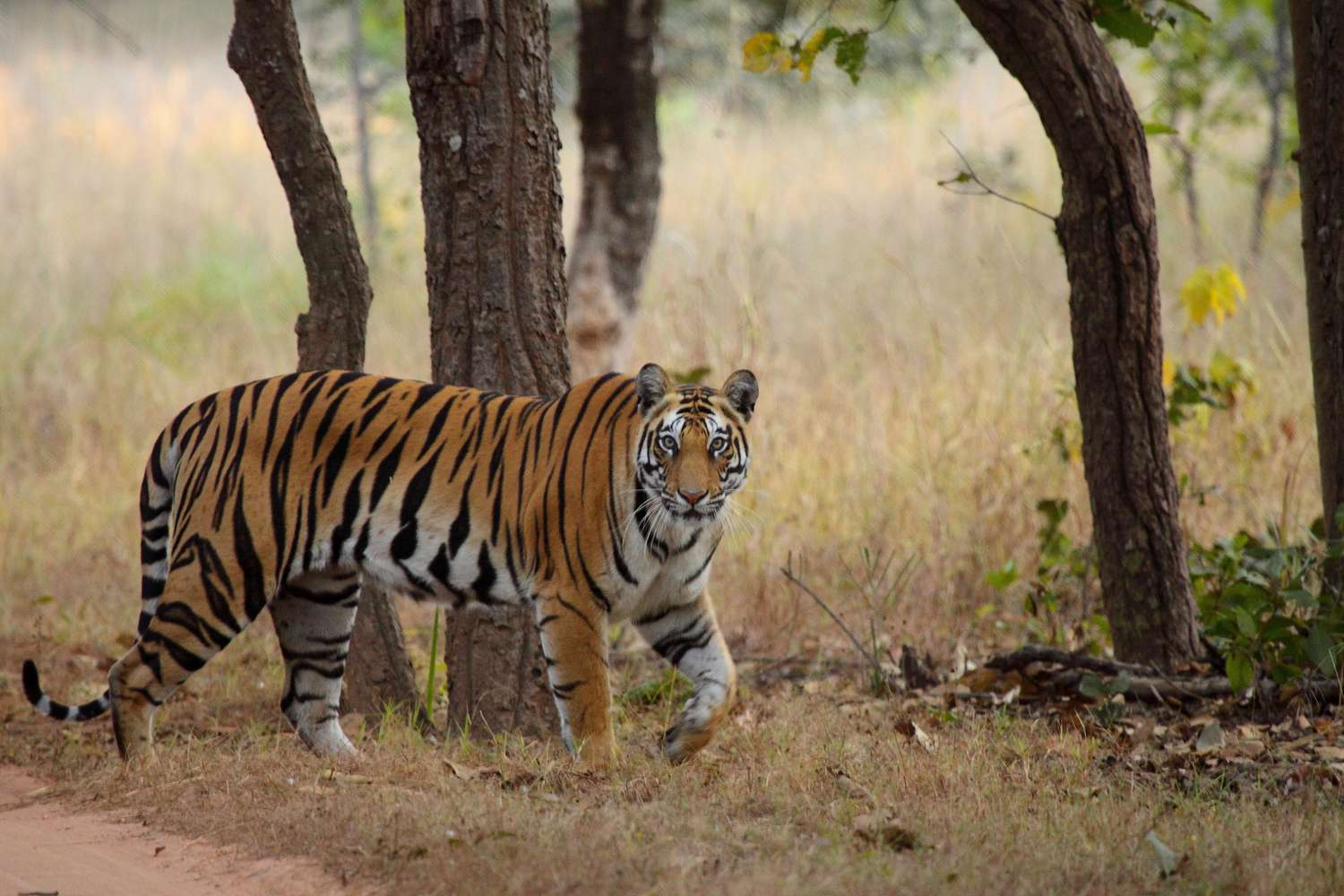
The Royal Bengal Tiger remains Bandhavgarh's star attraction, with the park maintaining one of the highest tiger densities globally. A traditional saying captures this: "In any other park, you're lucky if you see a tiger. In Bandhavgarh, you're unlucky if you don't see at least one."

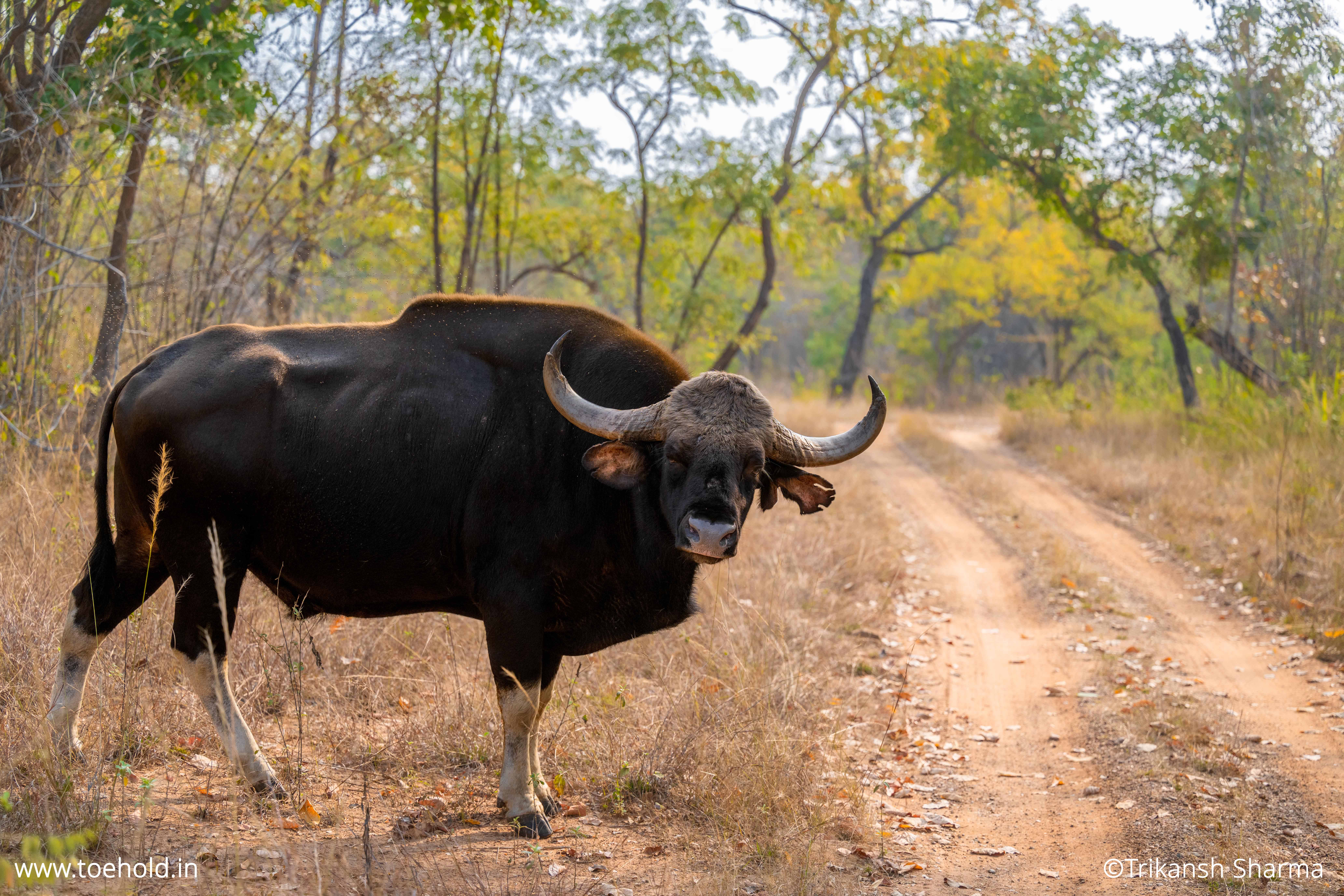
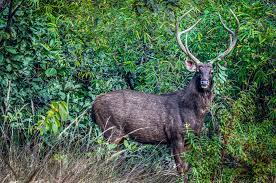
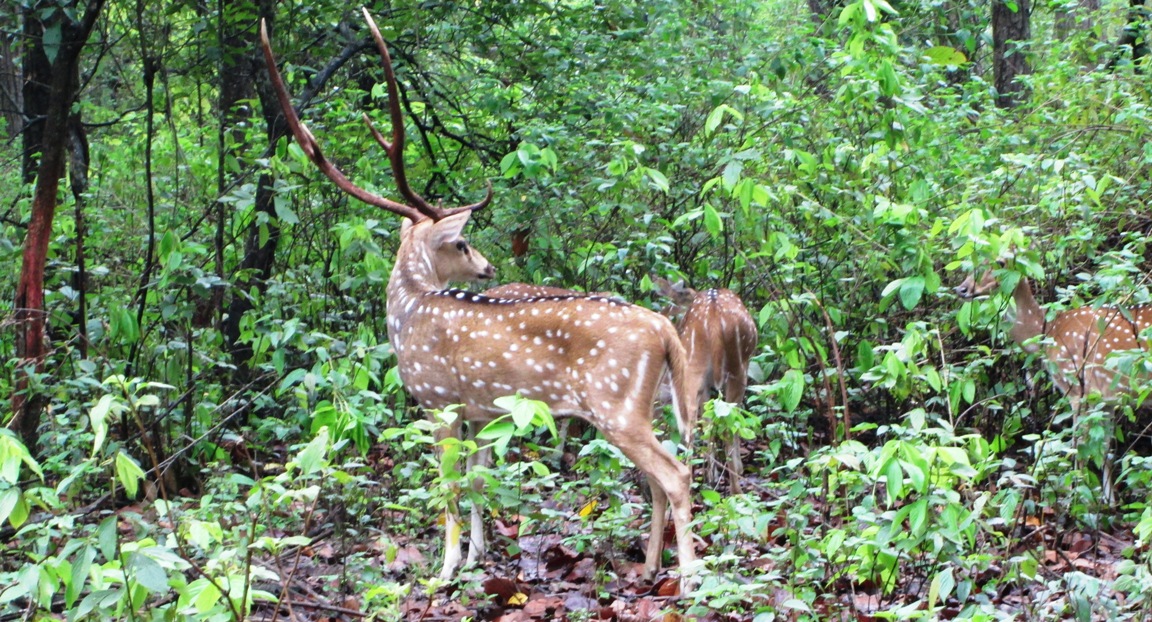
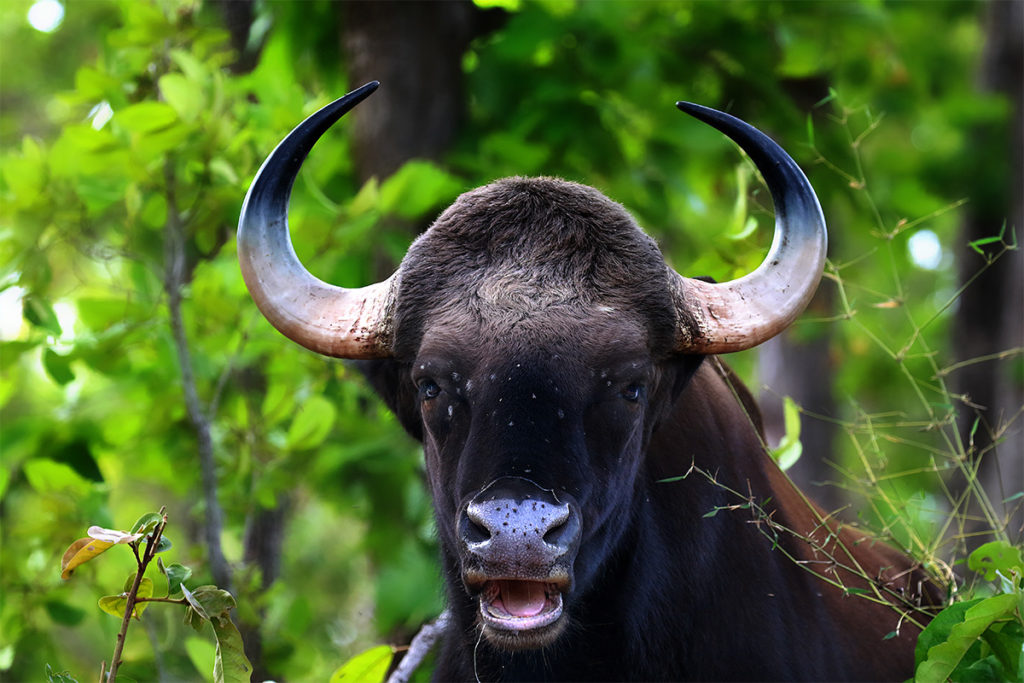
Major Fauna of Bandhavgarh includes- Important prey species consist of Chital (Spotted Deer), Sambar, Barking Deer, Nilgai, Chinkara, Wild Boar, Chausingha (Four-horned Antelope), Langur, and Rhesus Macaque. Major predators include Tiger, Leopard, Wild Dog, Wolf, and Jackal, while lesser predators comprise Fox, Jungle Cat, Ratel, Palm Civet, and Mongoose. The park also shelters Sloth Bears, Indian Gaur (reintroduced from Kanha), Porcupines, and Indian Pangolins.

The avian diversity is spectacular, featuring resident and migratory birds including Indian Roller, Malabar Pied Hornbill, Crested Serpent Eagle, Common Peafowl, Red Jungle Fowl, various kingfishers, and numerous raptors. Reptilian fauna includes Cobra, Krait, Russell's Viper, Python, various lizard species including Monitor Lizard, and freshwater turtles that inhabit the park's waterbodies.
From Royal Hunting Grounds to India's Premier Tiger Reserve - The Historical Journey

Ancient Legacy and Mythological Roots

Bandhavgarh derives its name from ancient Ramayana legends where Lord Rama gifted this fort to his younger brother Lakshmana—Bandhav (brother) and Garh (fort). The majestic Bandhavgarh Fort, perched atop the hill at 2,624 feet, served as the seat of local rulers for centuries. The fort complex contains ancient caves with inscriptions, rock paintings, and carvings depicting Lord Vishnu's avatars, adding profound spiritual significance to this wilderness.

From Royal Hunting Reserve to Conservation

The Bandhavgarh Fort remained the seat of local rulers until they shifted their capital to Rewa in 1617 A.D., after which the forest overran the area, transforming it into a royal hunting reserve. While this designation inadvertently preserved the forests by restricting access, the hunting era took a heavy toll on tigers. Each maharaja set out to kill 109 tigers as this number was considered auspicious, with Maharaja Venkat Raman Singh shooting 111 tigers by 1914.

An extraordinary discovery occurred during this period. In 1951, Maharaja Martand Singh of Rewa discovered the first white tiger, 'Mohan,' during a hunting expedition. All white tigers in zoos worldwide today trace their lineage back to Mohan, making Bandhavgarh the birthplace of this rare genetic variation.

Birth and Growth of the National Park

When Madhya Pradesh was formed in 1956, Maharaja Martand Singh, deeply moved by forest degradation, proposed that 105 sq km be notified as a National Park in 1968. This original area corresponds to the current Tala Range. In 1982, the park was extended to 448.842 sq km, adding three more ranges—Khitauli, Magdhi, and Kallawah.

Considering Bandhavgarh's importance and potential, it was included in the Project Tiger network in 1993. The area was further extended to include a core area of 694 sq km and a buffer area of 437 sq km, forming the Bandhavgarh Tiger Reserve.

Modern Conservation Success

Today, Bandhavgarh exemplifies successful tiger conservation with one of the highest tiger densities globally. As per the 2022 census, there were 135 tigers in the park. The park has also witnessed successful reintroduction programs. In 2012, gaur was reintroduced from Kanha National Park, and by January 2025, there were around 170 gaurs in Bandhavgarh. In March 2024, there were an estimated 55 Indian elephants after a herd migrated from Chhattisgarh in 2018, marking their return to Madhya Pradesh after over a century.

From royal fortress to world-renowned tiger sanctuary, Bandhavgarh's journey reflects India's transformation from exploitation to conservation—proving that dedicated effort can help endangered species recover and thrive.

Why Visit Bandhavgarh National Park- Unforgettable Experiences Await

Jeep Safari - The Ultimate Tiger Encounter

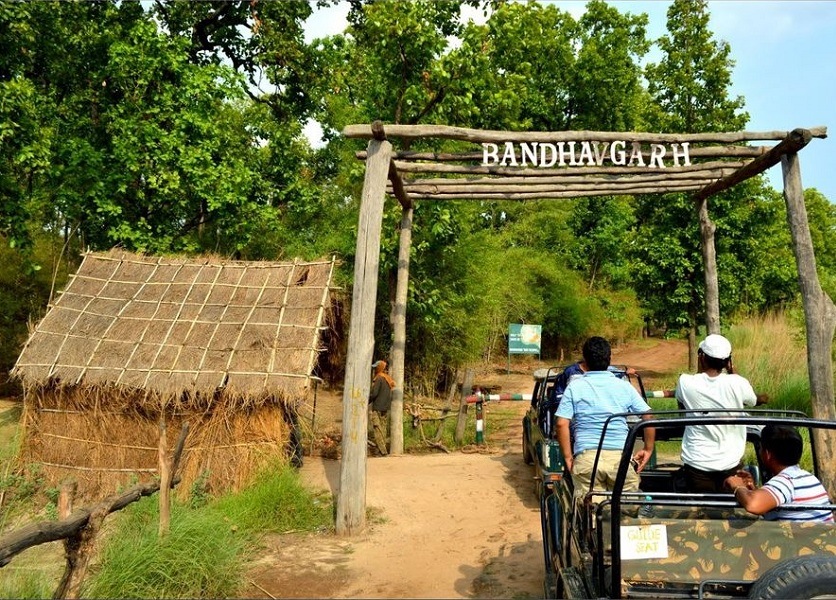
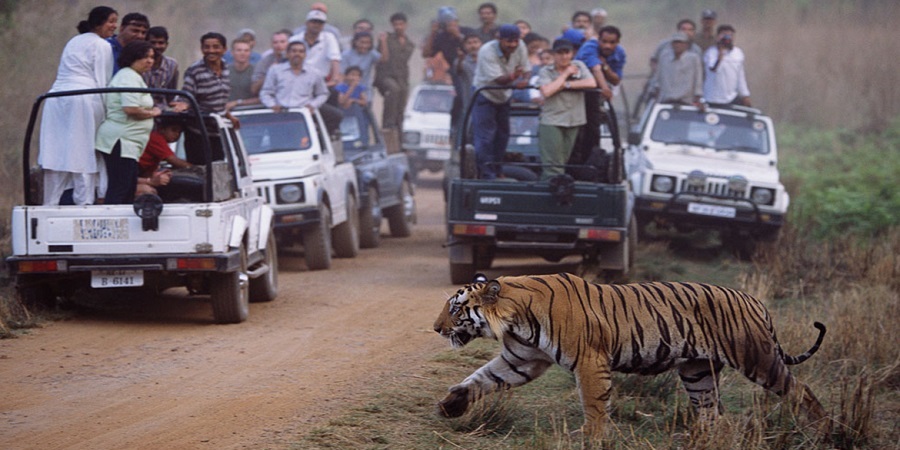
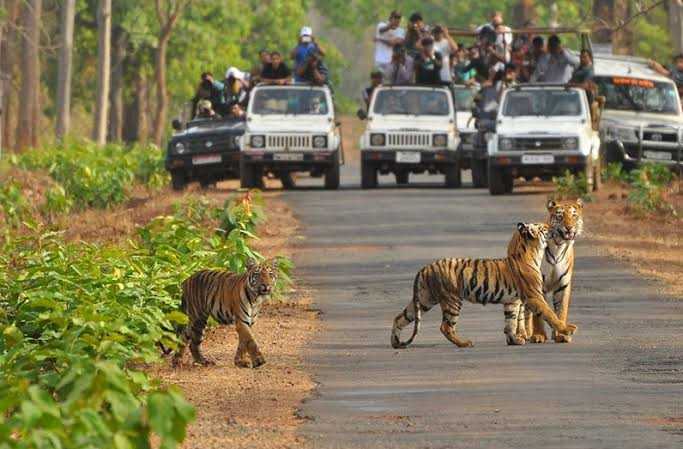
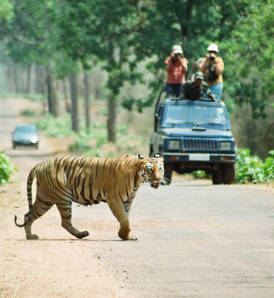
The main adventure of Bandhavgarh National Park begins with Tiger Jeep Safari, where an open jeep takes you into the wilderness with a guide who keeps you informed about locations and animals. This safari allows you to explore the park two times a day for 3 hours, with a capacity of six people per jeep. Experience thrilling rides through Bandhavgarh's three core zones—Tala, Magadhi, and Khitauli—each offering distinct landscapes from dense sal forests to open meadows. The expert naturalists track famous resident tigers and help you spot leopards, sloth bears, deer species, and diverse birdlife. Morning safaris capture wildlife at its most active, while evening safaris offer magical golden-hour photography opportunities. With Bandhavgarh's exceptional tiger density, the traditional saying holds true: "In any other park, you're lucky if you see a tiger. In Bandhavgarh, you're unlucky if you don't."

Trekking to Bandhavgarh Fort - History Meets Wilderness

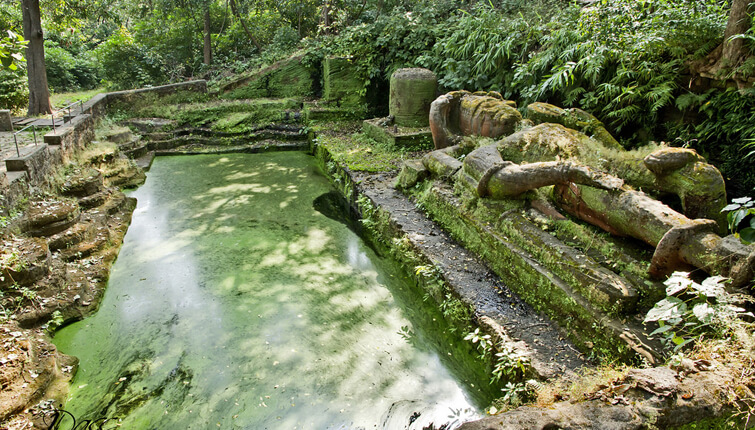
Trekking to Bandhavgarh Fort is one of the exciting things to do, where you see greenery all around and hear the musical chirping of birds during the one-hour trek from Tala zone. Bandhavgarh Fort is located on top of the hill at 811 meters, and you'll require a guide to enjoy this trek for safety purposes. The historic fort, believed to be approximately 2,000 years old, beautifully graces the landscape of Bandhavgarh National Park. Explore ancient temples, mysterious caves with intricate carvings, and the spectacular Shesh Shaiya—a magnificent 35-foot reclining statue of Lord Vishnu from the 10th century. The panoramic views from the fort summit offer breathtaking vistas of the entire park spread below, making it perfect for photography enthusiasts and history buffs alike.

Bird Watching and Nature Walks - For the Keen Observer

In Bandhavgarh Tiger Reserve, you can enjoy guided walk safaris with a tourist guide at buffer zones, accompanied by a naturalist and forest official, best for those interested in exploring nature up close. With over 250 bird species recorded, Bandhavgarh is a paradise for ornithologists and casual birdwatchers alike. Spot magnificent raptors like the Crested Serpent Eagle soaring overhead, colorful residents including the Indian Roller and Golden Oriole, and rare species like the White-Capped Bunting. The buffer zones offer peaceful nature trails where you can observe butterflies (over 70 species), study medicinal plants, and learn about the park's diverse flora from expert guides. These walks provide intimate encounters with smaller wildlife often missed during jeep safaris, including various reptiles, insects, and the fascinating insectivorous plant Drosera. Early morning walks are particularly rewarding when the forest awakens with bird calls and fresh tracks reveal nocturnal animal movements.

Wildlife Photography - Capture Nature's Masterpiece

The park offers open jeep safari which adds texture of fun and adventure to your journey, letting you capture astonishing wildlife moments for a wonderful experience. Bandhavgarh's varied terrain, from rocky outcrops and grasslands to dense forests and natural waterholes, creates stunning backdrops for wildlife photography. The park's compact size and high animal density provide exceptional opportunities to photograph Royal Bengal Tigers in various behaviors: hunting, territorial marking, maternal care, or simply lounging majestically. Summer months (April-June) offer the best conditions as sparse vegetation and concentrated wildlife around waterholes create clear sightlines. Professional photographers and amateurs alike benefit from experienced guides who understand animal behavior patterns and positioning for optimal shots. Remember to carry sufficient batteries and memory cards as safaris operate for 3-4 hours. Beyond tigers, photograph leopards, the reintroduced gaur herds, diverse deer species, and spectacular birdlife creating your personal wildlife portfolio.

Village Visits and Cultural Immersion - Connect with Local Heritage

Explore the pristine jungles and rural settings of Bandhavgarh while pedaling through the glorious countryside on cycling jaunts, with expert naturalists accompanying you on leisurely tours through villages and forest buffer zones. There are many local hamlets and villages which give you the chance to learn about new traditions and cultures of indigenous people—interact with locals who will take you to their simple world dipped in serenity. Experience authentic tribal life, witness traditional crafts, and understand the deep connection between local communities and forest conservation. Learn about the cultural significance of Mahua trees whose flowers locals use for traditional brewing and oil extraction. Visit local markets outside the park where you can purchase souvenirs including wildlife books, t-shirts, and stunning photographs of tigers taken inside the park. These cultural interactions provide valuable perspectives on how conservation efforts benefit local communities while preserving their traditional lifestyles.

Latest News & Blog - Bandhavgarh National Park

Safari Booking
Mohit Sharma
November 18, 2025
The Best Season to Explore Bhandhavgarh National Park

Bhandhavgarh National Park, which is also known as the Bhandhavgarh Andhari Tiger Reserve, is one of the most...

Read More
Hotel Booking
Mohit Sharma
November 18, 2025
The Thrilling Night Safari in Bhandhavgarh - Adventure After Sunset

Bhandhavgarh National Park is an amazing spot in Maharashtra that offers one of the most exciting safari experiences....

Read More
Tour Package Booking
Mohit Sharma
November 18, 2025
The Amazing Big Animals That Live Inside Bhandhavgarh

Visiting the wild Bhandhavgarh National Park is perfect for those people who love wildlife, adventure, and the thrill...

Read More